

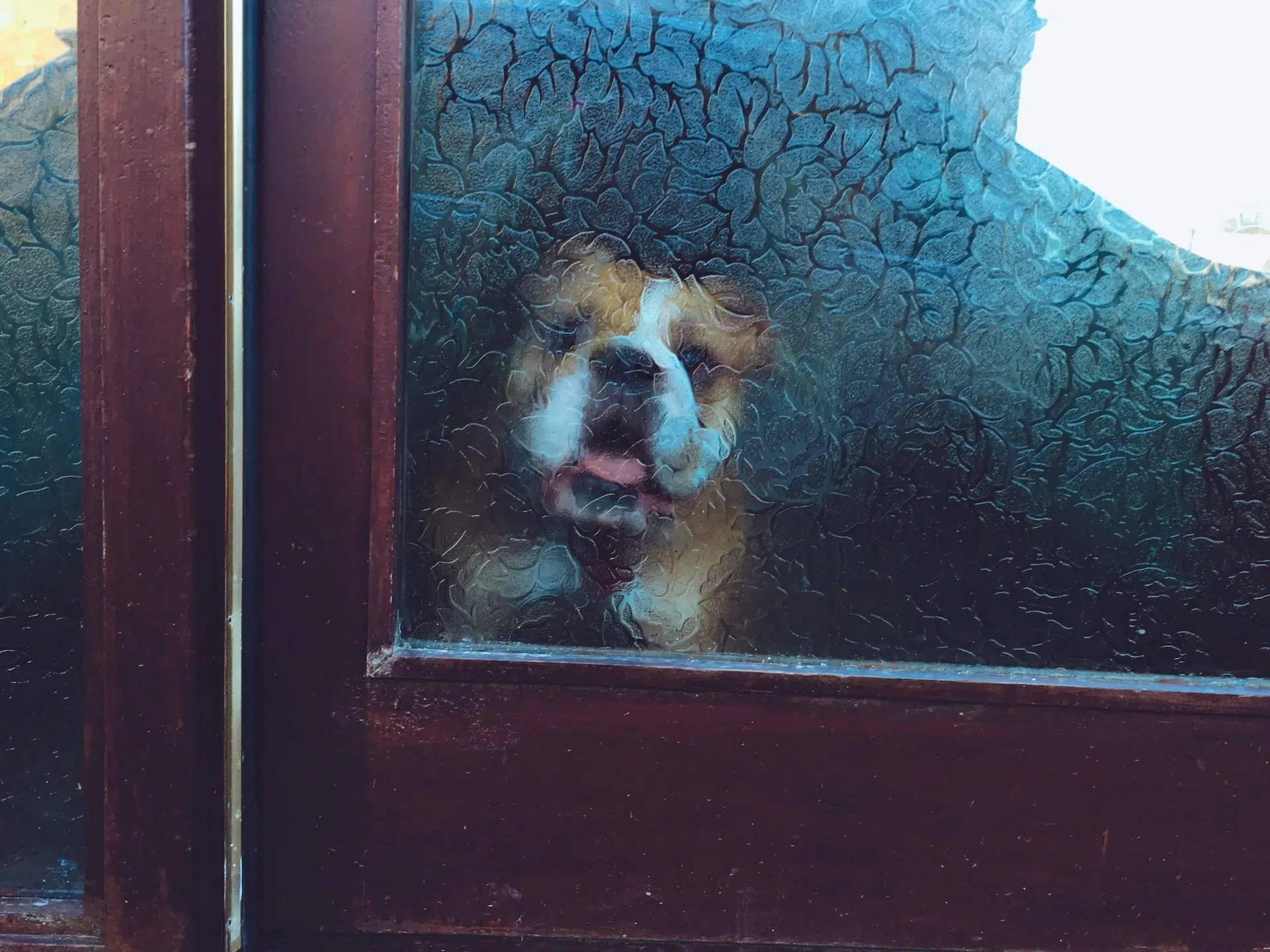
Have you tried this for separation anxiety in dogs?
Simply be with your dog at all times! Just kidding—although that would be ideal, right?
Leaving your dog home alone can feel tough. Whether you’re running errands or heading to work, it’s natural to wonder how they’re doing while you’re away. Some dogs seem to adjust just fine, while others show signs of stress or unease. In this post, we’re taking a closer look at what this experience can look like for dogs and sharing a few creative strategies you may not have tried yet.
You May Already Know This, But Let’s Refresh: What is Separation-Related Behavior?
Some dogs display behaviors when they’re left alone or separated from their people. These behaviors can be influenced by personality, routine, past experiences, or environment. Dogs with a strong bond to their humans may be more likely to react when things change or when they spend time alone after being used to constant company. Behavioral signs can range from vocalizing and pacing to chewing or restlessness. Understanding your dog’s routine, environment, and triggers is a good place to start when exploring ways to support them.
Has Your Dog Shown Any of These Behaviors?
There are many possible reasons why a dog might struggle with being left alone. Some of the most common contributors include:
- Change in environment or routine: Dogs tend to rely on routine. Even a small shift—like a new morning schedule or a different caretaker—might throw them off. Think about your day-to-day rhythm and how it might be affecting your dog.
- Past life experiences: Some dogs come from situations where they didn’t have a stable home or consistent care. While it’s impossible to know every detail about a rescue dog’s background, some may show sensitivity to certain situations.
- Close attachment: Dogs who are used to spending most of their time with you might find solo time confusing at first. This is especially common in pups adopted during periods when people were home more often, like during COVID.
- Limited social exposure: Dogs that haven’t been introduced to different people, environments, or other animals may find new experiences more overwhelming. Bringing your dog along on casual outings—like coffee runs or patio dining—can help ease them into new surroundings.
Not Sure What to Try Next? Here Are a Few Ideas:
- Create a cozy, familiar space: Set up a go-to area with favorite toys, soft bedding, and items that smell like you. This familiar setup can help your dog settle in more easily when you’re not home.
- Practice short absences: Start by stepping outside for a few seconds and returning calmly. Over time, you can build up to longer periods. Watch your dog’s reaction and adjust as needed. Example exercise: Try a 20-minute session where you walk out for 10 seconds and come back in with a treat. Gradually increase the time if your dog seems comfortable, but if they start showing signs of stress, shorten the intervals again.
- Stick to a steady routine: Predictability can help some dogs feel more secure. Try to keep feeding, walks, and alone time on a consistent schedule. Pre-departure play or exercise may help burn off some energy, too.
- Get guidance from a pro: Sometimes an experienced trainer or animal behavior specialist can offer insight specific to your dog’s needs. If you’re exploring different calming tools or approaches, they can also guide you on what to look into further.
- Try calming tools and enrichment activities: Keep your pup mentally engaged with toys, puzzles, or slow feeders. Some pet owners also explore tools like wrap-style vests or calming diffusers to support a more relaxed environment.
We know how much you care about your furry friend—and you’re not alone in wanting them to feel safe and supported when you’re apart. Every dog is different, so feel free to try out different strategies and see what seems to suit your pup best. And hey—don’t forget to give yourself some credit. You’re doing a great job.
Click the button below to explore our full line of pet-friendly products and discover new ways to care for your dog with confidence.