

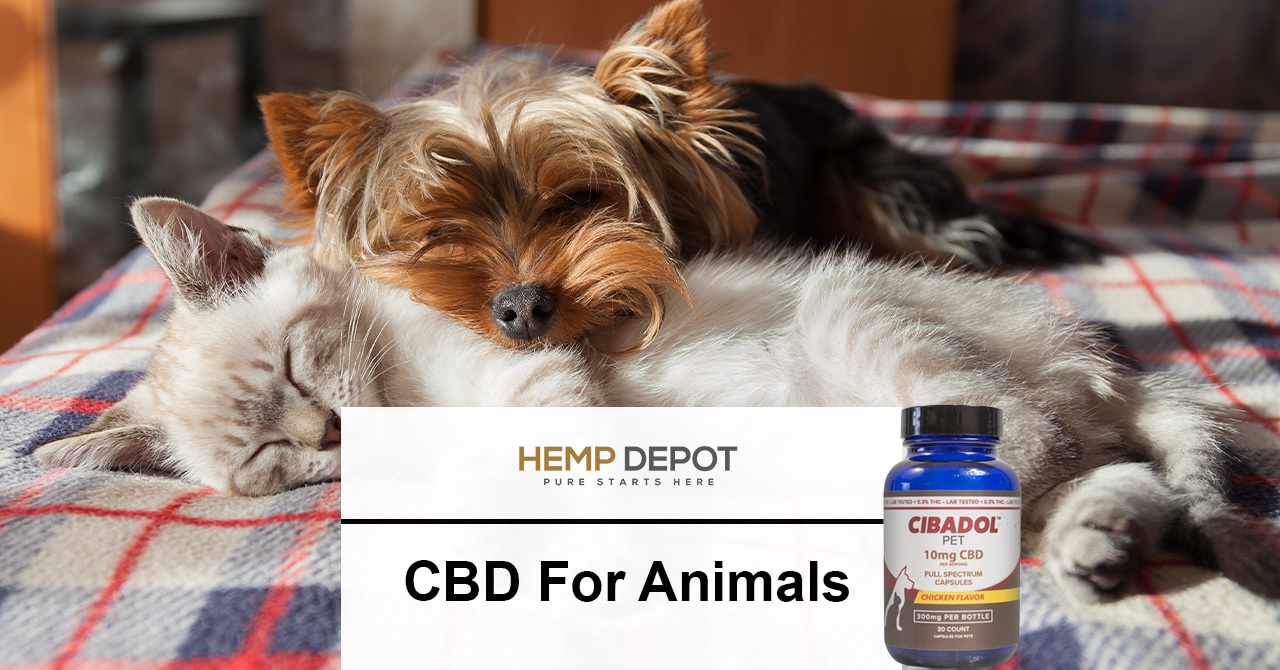
Are Animal CBD Products Safe?
Table of Contents
Exploring the Rise of CBD Products for Pets
In recent years, there has been a significant increase in the availability of pet-focused wellness products, including treats, tinctures, and chews that contain hemp-derived CBD. Pet owners have shown growing interest in these products as part of their animals’ wellness routines, often citing goals such as supporting mobility, easing stress, or maintaining appetite.
This growing trend has sparked both interest and debate, as scientific research into CBD’s use in animals is still emerging. While some veterinarians have shared anecdotal feedback from their clinical experiences, formal guidance remains limited due to a lack of regulatory approval and comprehensive studies.
Why Are Pet Owners Exploring CBD?
According to surveys conducted among dog owners in the U.S. and Canada, common reasons for trying CBD products for pets include support for joint function, calm behavior, and overall well-being. Many online forums, retail sites, and manufacturers report positive testimonials, though these are based on personal experience rather than clinical evidence.
While the use of CBD in animals is growing, peer-reviewed research is still in its early stages. The 2018 Farm Bill spurred more interest by legalizing hemp cultivation, allowing researchers in the U.S. and EU to begin studying CBD more widely in companion animals.
What Does the Research Say So Far?
To date, only a handful of published studies have focused on CBD’s effects in pets. Several of these involved dogs with osteoarthritis and evaluated CBD oil or edibles at varying doses and treatment durations. In most cases, researchers reported improvements in comfort and mobility, with minor side effects such as drowsiness or mild incoordination. One study noted a change in certain liver enzyme levels over time, suggesting the importance of veterinary oversight when using CBD long-term.
In other species, research is even more limited. One controlled study on racehorses examined CBD’s influence on inflammatory pathways. The compound appeared to be well-tolerated, prompting calls for further investigation, especially in performance animals.
Understanding CBD Metabolism in Pets
Like humans, animals have an endocannabinoid system, but it’s not yet fully understood how CBD interacts with it across different species. Early pharmacokinetic studies suggest that dogs process CBD primarily through the liver, much like humans do. While this is a promising starting point, much more research is needed to determine exactly how CBD functions in animals of various sizes and breeds.
Observations from Pet Owners and Vets
In the absence of broad clinical consensus, pet owners who try CBD products often do so based on their own research or recommendations from holistic veterinarians. Many report carefully observing their pets’ behavior, energy levels, or routines after introducing a CBD product and adjusting dosage slowly based on perceived changes.
Some veterinarians have shared insights from their practice, suggesting that CBD may be well-tolerated by many animals when used in moderation. Still, any product use should be monitored closely, especially since animals cannot verbally communicate how they feel.
Tips for Getting Started
If you’re considering CBD for your pet, it’s important to:
- Choose products from reputable brands that offer third-party lab testing for purity and potency.
- Start with a low dose and increase gradually while monitoring your pet’s response.
- Consult your veterinarian, especially if your pet has existing health conditions or is taking other medications.
- Watch for any changes in behavior, appetite, energy, or coordination.
CBD tinctures may show effects within 30 to 60 minutes, though responses can vary depending on the size of your pet, the product formulation, and how it’s administered.
The Bottom Line
CBD is gaining popularity among pet owners as a natural supplement for general wellness. While research is ongoing and early findings are encouraging, more clinical studies are needed to determine its full effects, safety profile, and best practices for use in animals.
Until then, cautious experimentation—guided by your vet and supported by trusted products—can help you make informed decisions. CBD may not be a one-size-fits-all solution, but it’s an area of growing interest in the broader conversation about pet wellness.