

CBN 101: Introduction
While CBD and THC have stolen the spotlight as the most popular cannabinoids, they’re only two of more than a hundred cannabinoids that are naturally occurring within cannabis plants. CBN, considered a minor compound since its concentrations are relatively low, is beginning to gain popularity as more and more research on specific cannabinoids is being conducted. These phytocannabinoids are exclusive to cannabis plants and each is hypothesized to have their own unique potential health benefits. In addition to their own potential benefits, many may have overlapping qualities which can further enhance potential health benefits. Let’s dive in and learn more about CBN.
Table of Contents
What Is CBN?

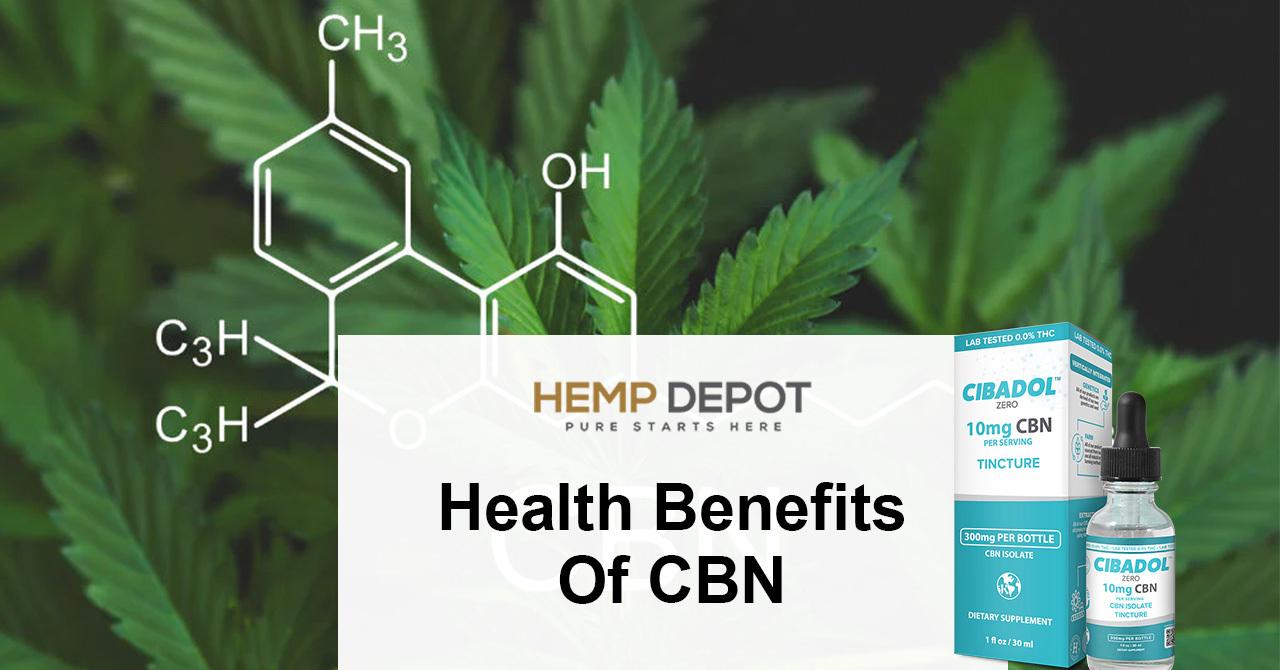
CBN, short for cannabinol, was the first cannabinoid that was successfully isolated back in 1896. CBN was originally believed to be responsible for psychoactive effects until it was later discovered that THC is the main cannabinoid that produces mind-altering effects. Research revealed that CBN is an oxidation product of THC. This means that THC slowly turns into CBN whenever it is exposed to light and heat. As cannabis and cannabis products age with UV and heat exposure, the levels of CBN naturally rise. There are no strains of cannabis with high CBN content, so the best way to achieve high concentrations of CBN is by oxidizing THC.
While it is generally believed that CBN doesn’t have psychoactive effects on its own, the research available on CBN and humans is quite limited. Some qualify it as a mildly psychoactive compound since it binds to CB1 receptors and activates them at around one-tenth the strength of THC.
Also Read: Are Drug Dogs Trained To Find CBD Products?
What Does CBN Do?
CBN is thought to help promote sleep for users who are facing insomnia and other issues surrounding sleep. Even if you don’t experience prolonged issues falling asleep, CBN could help with life and work stress that is causing your sleep issues. Many people who struggle with work stress can fall asleep, but often wake up throughout the night. CBN encourages the user to sleep peacefully for a prolonged duration. Some users have found that though their lives may still be stressful, getting more sleep helps. This could reduce overall anxiety and lead to more prolonged benefits.
CBN is very different from THC because of it’s lack of psychoactive effects. Alongside THC, CBN is believed to have sedative qualities, which makes the user feel drowsy. CBN interacts with the CB2 Central Nervous System. CBN has also been shown to contain anti-inflammatory and immunosuppressive qualities and is also an anticonvulsant.
The Promising Health Benefits Of CBN
While significant research is still required to make any definitive health claims regarding CBN, the existing preclinical and anecdotal are quite promising. Here is what we do know:
Potential Antibacterial Properties
Scientific studies on CBN have discovered its potential antibacterial properties. In these studies, CBN was tested with strains of antibiotic-resistant bacteria. The results were encouraging, showcasing value for further research.
Possible Neuroprotectant
In an animal study, researchers utilized CBN as a treatment for ALS and discovered that it delayed the onset of this condition. While clinical human trials are required, this is a promising sign that CBN may act as a neuroprotectant.
Encouraging Appetite Stimulant
In some studies, CBN was able to increase the amount of food that rats ate. Since some individuals avoid THC due to its psychoactivity, CBN may provide another alternative for individuals looking to stimulate their appetite.
Also Read: CBD And Entourage Effect: What Does It Mean
Promising Therapeutic Value for Glaucoma
Preclinical animal studies have found that CBN and THC may reduce intra-ocular pressure which is the leading risk for glaucoma.
Anti-inflammatory Benefit Potential
CBN may have anti-inflammatory properties, offering overlap with other cannabinoids. In one study on rats, CBN seemed to reduce the inflammatory effects of arthritis.
Misconceptions About CBN
CBN is often marketed as a sedating cannabinoid. While the research on sleep and CBN is minimal, no evidence shows that this cannabinoid has inherent sedative effects. Some researchers believe that the combination of CBN and THC in older cannabis may account for these effects. Leading researcher and neurologist Dr. Ethan Russo has stated, “Pure CBN is not particularly sedating. But it is typically found in aged cannabis where the monoterpenoids have evaporated leaving the more sedating oxygenated sesquiterpenoids. This accounts for the discrepancy.” This means that older cannabis is also rich in sedating terpenes which may account for the sedating effects.
Another misconception about CBN is that it is always non-psychoactive. While CBN is non-psychoactive on its own, it may increase the euphoric effects of THC. That means that utilizing a CBN product with minimal traces of THC may lead to mild mind-altering effects.
Also Read: Can You Be Allergic To Hemp?
How To Use CBN Products
Before administering CBN products, it is better to take suggestions from your doctor. Only take the recommended dosage. It is essential to consider the third-party lab test to obtain a Certificate of Analysis (COA). It verifies your product is legible and safe for the users. Always check the ingredients, and make sure you aren’t ingesting anything you are allergic to.
CBD vs. CBN: What’s The Difference?
Okay, so we’ve gone over many potential benefits of CBN, but what about CBD? How do they differ? So here’s the distinction between CBD and CBN.
CBD is versatile, widely available, and continues to grow in popularity. CBN is less well known, and less versatile. While it has fewer uses, CBN can be excellent for sleep specifically. Researchers have completed several pre-clinical and clinical trials to show the extensive abilities of CBD, but CBN has not been left behind. Many users reported the positive influence of using CBN products to regulate sleep and naturalize sleep cycles. CBN binds with the pre-existing CB2 receptor of the endocannabinoid system to prevent sleep disturbances during nighttime sleep. This ability to bind with the endocannabinoid receptors is the only similarity between CBD and CBN. The innate receptors in the body are receptive to CBD and CBN when administered at a specific dose. However, the CB2 (brain / central nervous system) receptors connect with immune system regulation. This is what can make CBN useful when CBD is not.
Our New CBN Products
HempDepot serves the CBN product line under the Cibadol Zero in Broad Spectrum and Isolate CBN Tinctures.
- Cibadol Zero CBN Tincture: HempDepot provides Cibadol Zero Pure CBN isolate tincture of 300 mg, serving 10 mg strength in each ounce. Tinctures are easy to dose for customized potency. It is a third-party-approved and has been product tested for its purity and high efficacy.
- Cibadol Zero Sleep Tincture: Cibadol Zero Sleep Tincture is available in Broad spectrum. It aims to prolong the sleep and attain deep sleep after a heavy workout or stressful day. Our Sleep Tincture is THC – Free with a melatonin supplement to prevent any sleep disturbances. Both CBN products are Non-GMO certified. They are grown, extracted, and produced in Colorado. All of Hemp Depot’s products are formulated in cGMP/FDA-registered facilities.

The Bottom Line On Health Benefits Of CBN
Hemp Depot is proud to announce our new CBN isolate tincture available from Tru Organics. We’ve applied our proprietary extraction process and achieved pure isolated CBN that’s derived from our non-GMO, Colorado hemp crops. The potential health benefits of CBN of creating your custom cannabinoid therapy. Our CBN tinctures are also available as a part of our white-label CBD and wholesale CBD programs. For more information regarding CBN, please get in touch with us!
Interesting Reads:
Can My Restaurant, Bar, or Coffee Shop Start Adding CBD to Our Menu?
What Kind of Hemp Does It Take to Make CBD Oil?